

5 Key Differences Between Ace Indoor Golf and All Sport Systems

Last Updated: October 25, 2026
Quick Summary
Ace Indoor Golf vs All Sport Systems differ primarily in space requirements, tracking technology, and installation approach. Ace Indoor Golf uses camera-based tracking and works in tighter spaces as small as 9 feet high, while All Sport Systems employs radar-based technology and requires minimum 10-foot ceilings with larger footprints for professional-grade accuracy.
Ace Indoor Golf functions in spaces as compact as 9 feet by 12 feet, while All Sport Systems needs minimum 10-foot ceilings and 12-foot by 15-foot footprints.
Ace Indoor Golf uses camera-based tracking; All Sport Systems uses radar-based technology for more consistent accuracy regardless of lighting conditions.
Ace Indoor Golf includes basic components and supports DIY installation, while All Sport Systems ships with more integrated premium materials and requires professional installation.
All Sport Systems uses sealed aluminum frames and moisture-resistant materials designed for humid climates, while Ace Indoor Golf provides basic enclosure protection.
Ace Indoor Golf suits casual players and tight budgets; All Sport Systems appeals to serious golfers prioritizing swing analysis and long-term reliability.
Table of Contents
Ace Indoor Golf vs All Sport Systems: What Sets Them Apart
When you're comparing Ace Indoor Golf vs All Sport Systems, you're evaluating two approaches to at-home golf simulation. Both systems promise accuracy and durability, but they differ significantly in how they're built, installed, and maintained. Understanding these differences helps you choose the right fit for your space and playing style.
This comparison covers five critical areas where these systems diverge. By the end, you'll understand which approach aligns with your home setup and long-term expectations.
Golf Simulator Room Dimensions and Space Requirements
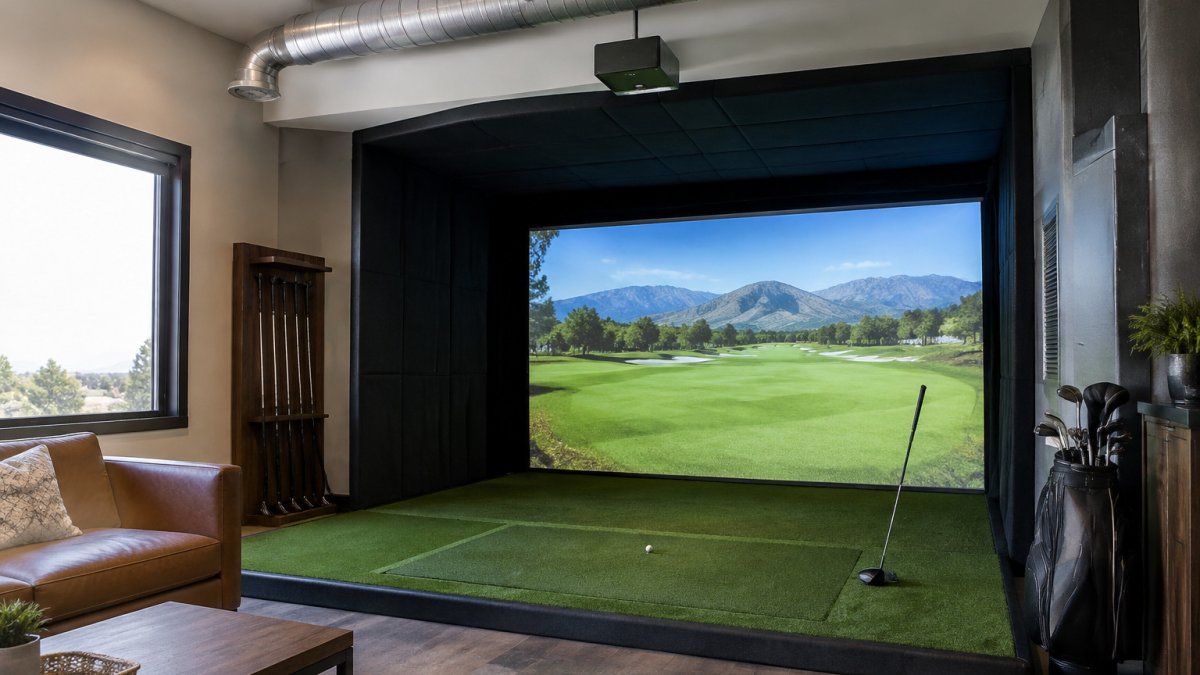
Both Ace Indoor Golf and All Sport Systems require thoughtful space planning, but they handle dimensional constraints differently. The ideal golf simulator room needs at least 10 feet of ceiling height and roughly 10 feet by 15 feet of floor space to accommodate a full swing without cramping your motion.
Ace Indoor Golf systems typically work in tighter spaces, some users report functional setups in rooms as compact as 9 feet high and 8 feet by 12 feet. This flexibility appeals to homeowners with bonus rooms or finished basements where ceiling height is limited. However, tighter spaces mean less margin for error during installation and can feel restrictive during your swing.
All Sport Systems generally requires more generous dimensions. Their enclosure design assumes a minimum 10-foot ceiling and 12-foot by 15-foot footprint. This larger footprint provides a more natural swing feel and better sight lines to the screen, but eliminates options for smaller residential spaces.
The real consideration here: measure your actual space first. If your ceiling is 9 feet or your room is compact, Ace Indoor Golf gives you more flexibility. If you have the space and want the full fairway experience, All Sport Systems' larger footprint creates a more immersive environment. Rocket Simulators conducts on-site measurements to recommend the exact configuration your space supports.
Technology and Accuracy Comparison
Accuracy in golf simulation comes down to how the system captures your swing data and translates it into ball flight. This is where the two systems diverge most noticeably.
Ace Indoor Golf uses a camera-based tracking system that reads club head position and ball contact. This approach works reasonably well for casual players and provides adequate feedback for practice. The system tracks launch angle, ball speed, and spin rate, the core metrics most golfers care about. However, camera-based systems can struggle with consistency in varied lighting conditions and sometimes misread club data during quick transitions between shots.
All Sport Systems employs radar-based technology, which measures actual ball flight physics in real time. Radar doesn't rely on camera calibration or lighting conditions, making it more consistent shot-to-shot. The trade-off is that radar systems typically cost more and require precise installation alignment. Once calibrated correctly, they deliver professional-grade accuracy that mirrors what you'd see at a PGA Tour facility.
For serious golfers focused on swing refinement, radar-based accuracy matters. For casual players and families, camera-based systems provide sufficient feedback to enjoy the experience. The question isn't which is "better", it's which matches your actual use case. If you're analyzing swing mechanics weekly, accuracy becomes non-negotiable. If you're playing social rounds with family, camera-based performance is perfectly adequate.
Golf Simulator Equipment Checklist: What's Included
Understanding what each system includes prevents costly surprises during installation. The equipment checklist reveals where costs hide and what you'll need to source separately.
Ace Indoor Golf typically includes the projector, screen, hitting mat, and basic enclosure frame. You'll usually need to source your own hitting surface upgrade, flooring, and climate control separately. This modular approach keeps the base system cost lower but requires more decision-making on your end.
All Sport Systems usually ships with more integrated components: projector, premium hitting surface, advanced enclosure materials, and sometimes basic climate control recommendations. The system feels more complete out of the box, but you're paying for that integration upfront.
Rocket Simulators includes everything needed for a fully functional bay: discover the PROTEE golf simulator technology and premium materials. Our custom approach means you're not buying a one-size-fits-all package, you're getting equipment selected specifically for your space and climate conditions.
Component | Ace Indoor Golf | All Sport Systems | Rocket Simulators |
Projector | Included | Included | Professional-grade ProTee |
Screen | Basic | Premium | Crease-free custom |
Hitting Mat | Standard | Upgraded | DelaTurf fairway surface |
Enclosure | Basic frame | Full materials | Custom aluminum & wood |
Climate consideration | Minimal | Noted | Climate-optimized |
Golf Simulator Installation Cost and Value
Installation cost determines whether a simulator feels like an investment or a burden. The systems differ significantly in how they approach this.
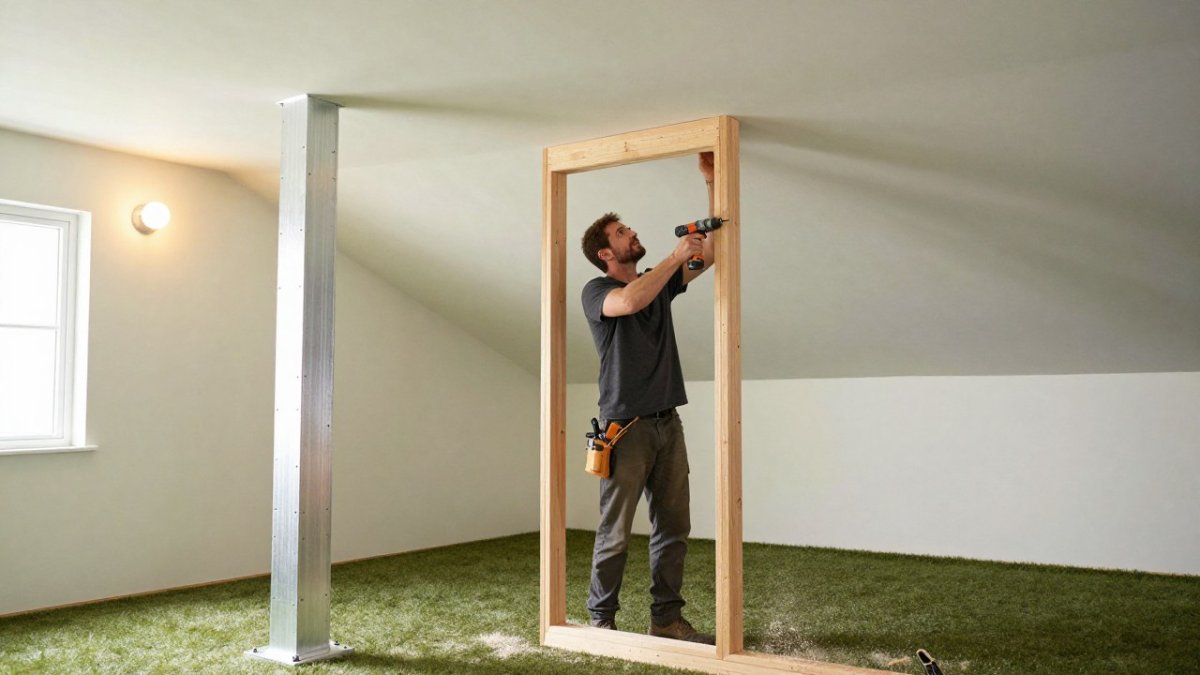
Ace Indoor Golf positions itself as a DIY-friendly option. Many installations are handled by homeowners with basic carpentry skills, which keeps labor costs low. However, DIY installation introduces alignment risks, a poorly calibrated system will frustrate you for years. Professional installation is available but often requires hiring a local contractor unfamiliar with golf simulator specifics.
All Sport Systems typically requires professional installation due to the precision needed for radar calibration. This adds cost upfront but ensures the system performs correctly from day one. Most All Sport Systems installations are handled by authorized dealers who understand the technical requirements.
For comprehensive cost information and how to evaluate the financial investment, review the complete home golf simulator setup cost guide. Understanding total cost of ownership, not just purchase price, prevents buyer's remorse.
The value question extends beyond installation. A system that needs recalibration every six months or develops screen issues after two years costs more in frustration than a system that runs reliably for a decade. Durability and long-term reliability often matter more than the initial price tag.
Protecting Golf Electronics from Humidity
Florida's humidity is the silent killer of indoor golf simulators. Electronics fail, screens develop mold, and hitting mats deteriorate when moisture isn't managed properly. This is where system design reveals its true worth.
Ace Indoor Golf systems use standard enclosure materials that provide basic protection. In humid climates, many owners report screen degradation within 3-5 years without aggressive climate control. The projector and electronics remain functional longer, but the visual experience deteriorates.
All Sport Systems builds with materials designed for moisture resistance. Their enclosures use sealed aluminum frames and treated surfaces that naturally resist humidity damage. However, even premium materials require active dehumidification in high-humidity environments.
For detailed guidance on protecting your simulator investment, read the comprehensive article on protecting golf electronics from humidity. Rocket Simulators designs every bay with Florida's climate in mind, using aluminum framing and sealed construction.
The practical reality: any simulator in a humid environment needs active climate management. The difference is whether your system's design makes that easier or harder. A well-designed enclosure lets a standard dehumidifier handle the job. A poorly designed one requires expensive equipment or fails despite your efforts.

Choosing the Right Simulator for Your Home
Your decision should rest on three factors: your space constraints, your accuracy requirements, and your climate situation.
Choose Ace Indoor Golf if your ceiling is tight, you're budget-conscious, and you're comfortable with DIY installation or hiring a local contractor. This system works well for casual players and families who prioritize fun over precision swing analysis. The lower entry cost appeals to homeowners testing whether they'll actually use a simulator regularly.
Choose All Sport Systems if you have adequate space, you want professional-grade accuracy, and you're willing to invest in proper installation. This system suits serious golfers focused on swing improvement and players who value long-term reliability over initial savings.
Choose Rocket Simulators if you want a system built specifically for your home, your climate, and your playing style. We handle everything from initial space measurement through final calibration. Our custom approach means you're not compromising on accuracy, durability, or aesthetics. Contact us to discuss your specific needs and get a custom quote.
The right choice isn't about which system is objectively "best", it's about which system matches your actual situation. A premium system in a poorly prepared space underperforms. A budget system in ideal conditions outperforms expectations. Match the system to your reality, and you'll enjoy your simulator for years.
Frequently Asked Questions
What is the main difference between Ace Indoor Golf and All Sport Systems?
Ace Indoor Golf and All Sport Systems differ in their technology platforms, installation approaches, and customization options. Ace Indoor Golf focuses on specific projector and software configurations, while All Sport Systems emphasizes adaptability across multiple sports. Both serve the home simulator market, but they target different priorities: Ace leans toward dedicated golf setups, while All Sport Systems offers multi-sport flexibility. Your choice depends on whether you want a golf-specific system or broader entertainment capability.
How much space do I need for a home golf simulator?
A functional home golf simulator requires minimum dimensions of 10 feet long, 8 feet wide, and 9 feet tall, though 12 feet long and 10 feet tall is ideal for a full swing without restriction. Ceiling height is critical, 9 feet works for most golfers, but taller players may feel cramped. Length matters most because the ball travels forward; width accommodates the swing arc. Both Ace Indoor Golf and All Sport Systems can work with tight spaces, but custom installation planning ensures your specific room layout functions properly.
What should a complete golf simulator equipment checklist include?
A complete golf simulator setup includes a launch monitor (tracks ball data), projector and screen, hitting mat (preferably turf-like), enclosure frame, sound dampening, and calibration tools. Professional systems add impact screen protection, ball return systems, and climate control. Both Ace Indoor Golf and All Sport Systems provide equipment packages, but the quality of each component varies. Verify that your package includes a certified launch monitor, commercial-grade screen, and durable mat, these three items determine accuracy and longevity most.
How can I protect golf simulator electronics from humidity?
Use a dedicated dehumidifier rated for your room size, seal gaps in walls and doors, install vapor barriers, and choose equipment with IP ratings for moisture resistance. Electronics in humid environments degrade faster, so proper enclosure construction is essential. Aluminum framing resists corrosion better than wood alone. Both Ace Indoor Golf and All Sport Systems should address humidity in their installation plan. Ask about material choices, ventilation strategy, and whether they recommend specific dehumidifier models for your climate.
The simulator you choose today should still perform reliably in five years. That requires honest assessment of your space, your climate, and your commitment to maintenance. Rocket Simulators specializes in custom installations that account for all three factors, combining professional-grade ProTee technology with durable aluminum and wood construction designed specifically for residential environments. Get a custom quote and discover how we build simulators that last.
Comments